Did you know more than 356,000 American citizens suffer cardiac arrest each year? Every second counts when someone’s heart stops beating. It could happen at a restaurant, in your home, or even during a typical day at work. In these critical moments before help arrives, CPR can literally mean the difference between life and death. However, have you ever stopped to think about the fundamental objective behind learning CPR?
At the CPR Training Clinic, we don’t just teach people how to perform CPR. We help them understand why it matters, how it saves lives, and what else it does beyond just chest compressions and rescue breaths.
Let’s look at the five main objectives of our CPR Certification course in Chicago and why this skill is one of the most valuable things you can ever learn.
1. CPR Certification Course in Chicago Can Save Lives
This one’s the most obvious, but also the most powerful. The main purpose of CPR is simply to keep someone alive until medical help arrives. When a person experiences a cardiac arrest, their heart stops pumping blood effectively. This means blood and oxygen can no longer travel to the vital organs that keep the body functioning. Without that circulation, the brain begins to shut down quickly, and within just a few minutes, serious damage can occur.
But not when you know CPR. By performing chest compressions, you’re taking over the job of the heart and manually circulating oxygenated blood through the body, keeping those vital organs alive until professionals can take over. Add rescue breaths to that, and you’ll also be helping the person take in the oxygen their body desperately needs.
2. Prevent Further Injury or Damage
The second objective of learning CPR is prevention. Which means, stopping the situation from getting worse. When emergencies happen, panic usually takes over, and that’s when mistakes are made. People freeze, forget the steps, or act out of fear rather than logic. That’s why CPR training focuses so much on staying calm under pressure. It helps you slow down, think clearly, and act in the right order.
Knowing what to do as well as what NOT to do can make a significant difference. When performed correctly, CPR helps stabilize a person’s condition, keeps oxygen flowing, and greatly reduces the risk of brain damage. It also buys precious time until medical professionals arrive, giving paramedics a stronger starting point to bring the patient back.
For example, you’ll learn how to:
- Check responsiveness and breathing.
- Use an AED safely and confidently.
- Avoid common errors like pushing too hard, giving too much breath, or skipping safety checks.
3. Support Recovery
While CPR is often seen as a lifesaving action in the moment, it also plays an important part in what happens after someone’s heart has stopped. Starting CPR quickly and using it correctly helps keep blood and oxygen flowing to critical organs like the brain. That flow increases survival chances and gives someone a better shot at higher quality recovery.
When the body gets oxygen again sooner, it has a far better chance of healing without serious long-term complications. Survivors who received CPR right away consistently show fewer neurological problems than those who didn’t.
For example, studies show that timely and continuous chest compressions lead to improved neurological outcomes. This is why our CPR Certification course in Chicago focuses on the full picture. Learning the right techniques means you’re prepared for both the emergency and the aftermath.
People Also Ask
What is the main objective of CPR?
The main goal of CPR is to keep blood and oxygen flowing through the body until medical help arrives.
What are the goals of learning CPR?
Learning CPR helps you act fast in emergencies, save lives, and stay calm under pressure.
What are the 5 objectives of first aid?
They include saving lives, preventing further harm, encouraging recovery, relieving pain, and protecting the unconscious.
Why is it important to learn CPR?
It’s important because you never know when someone might need it, and with our training, you’ll know exactly how to respond and possibly save a life.
4. Build Confidence and Readiness
Emergencies can happen anytime, and most people freeze up when they see someone collapse because they don’t know what to do. That’s why one big goal of CPR training is to turn panic into confidence.
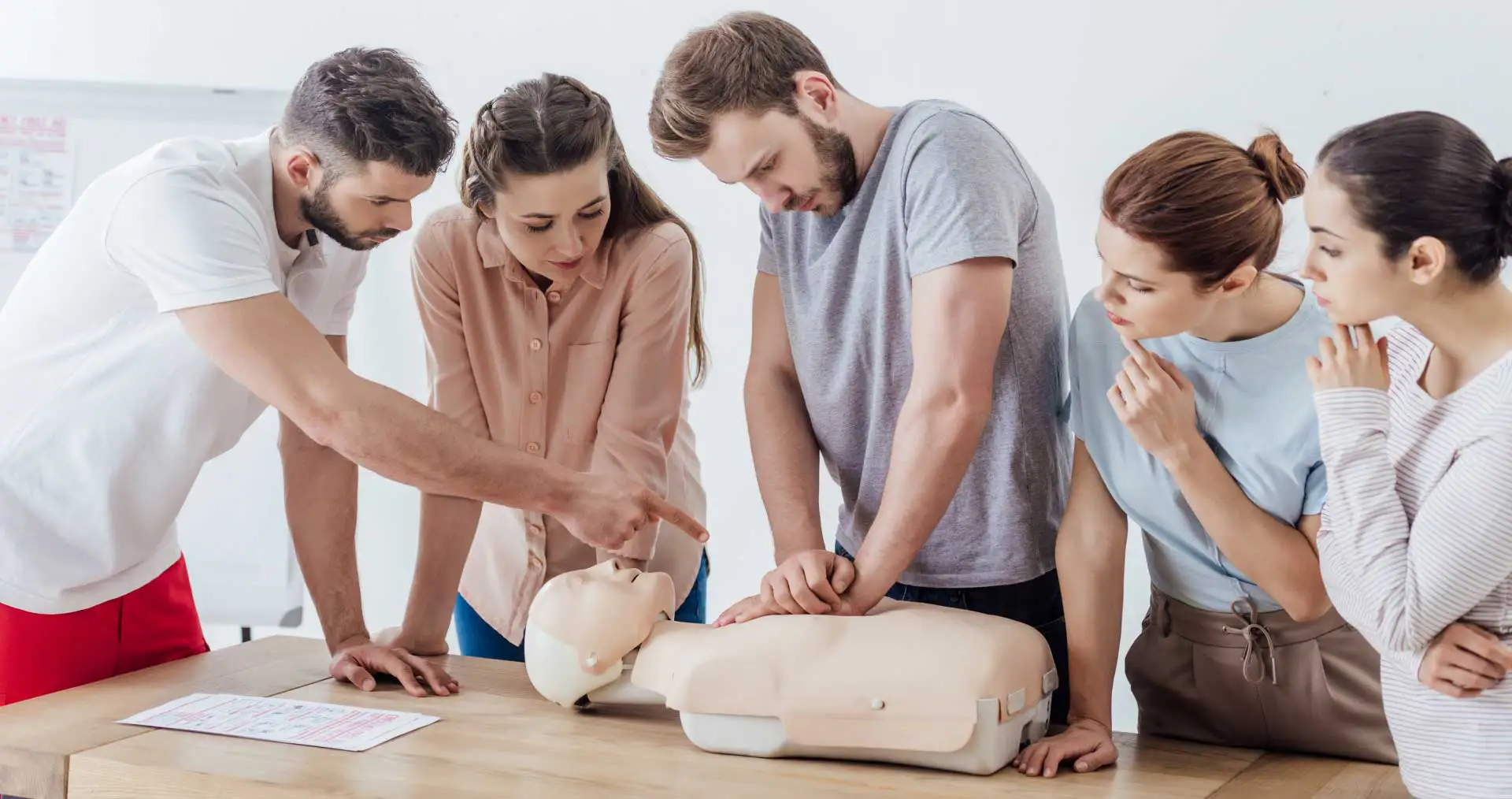
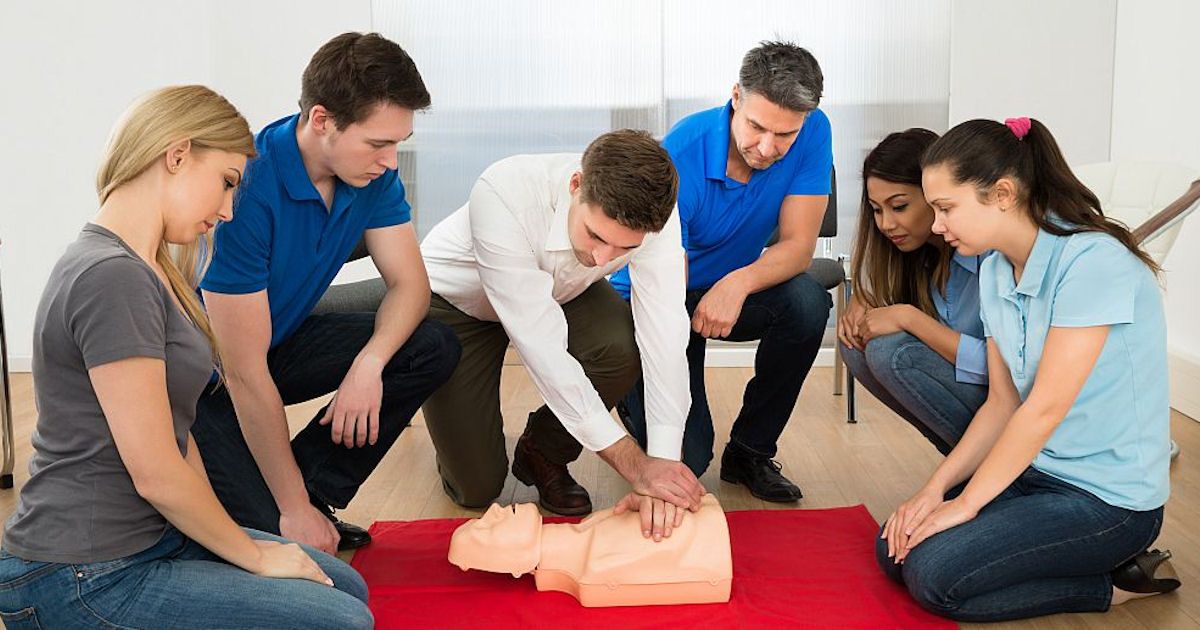
During training, you actually get hands-on experience and practice on mannequins, walk through real-life situations, and learn how to handle the pressure (literally and figuratively). All of this helps you react quickly and calmly when the time comes.
Here’s what you gain from this part of the training:
- Real-life practice: You’ll get used to the rhythm, depth, and flow of CPR through guided drills.
- Quick decision-making: You’ll learn to recognize when someone needs CPR and how to act fast.
- Confidence under pressure: Instead of freezing, you’ll know exactly how to take charge.
- Peace of mind: Knowing you can help someone in need gives you a huge sense of security.
5. Strengthen Community Safety
The fifth goal of our CPR Certification course in Chicago is all about creating safer communities. When more people know CPR, the chances of saving lives go up everywhere, be it at work, in schools, parks, and even at home. Think about it. Every person who learns CPR becomes a link in a safety chain. You never know when you might be the one nearby during a cardiac emergency, and being prepared can make all the difference before paramedics arrive.
That’s exactly what we work toward at CPR Training Clinic. Our goal is to make CPR training easy, affordable, and available to everyone. The more people we train, the safer our neighborhoods become.
Don’t wait for an emergency to realize how valuable CPR training is.
Sign up for our classes today!
FAQs
How long does it take to learn CPR?
Most CPR certification courses take just a few hours. Our classes are designed to be hands-on, simple, and easy to remember.
How often should I renew my CPR certification?
Every two years is standard, but refresher courses are a great way to keep your skills sharp and your confidence high.
Do I need medical experience to take CPR training?
Not at all! Our courses are for everyone, from parents and teachers to office workers and first responders.
Does CPR always save a life?
While CPR doesn’t guarantee survival, it significantly increases the chances by keeping oxygen flowing until professional help arrives.
Is learning CPR really worth it?
Absolutely. You may never use it, but if you do, you could save someone’s life.