Nearly 90% of people who experience cardiac arrest outside a hospital don’t survive, often because help doesn’t arrive fast enough. CPR performed in the first few minutes can make a life-changing difference, yet many people delay training simply because they think it will take too much time.
When people first consider getting CPR certified, one of the first questions that comes up is surprisingly simple: How long will this actually take? With busy schedules already stretched thin, committing to a training course can feel intimidating, even when the skill itself is essential. The good news is that CPR certification is far more flexible and manageable than most expect.
That said, there isn’t one single answer for everyone. The length of a CPR certification course in Chicago depends on several factors, including the type of class, how it’s delivered, and who the training is meant for.
CPR Certification Course in Chicago: Key Takeaways
- Most CPR certification courses take between 2 and 5 hours, depending on the level and add-ons.
- You can usually get certified in one day without blocking off your entire schedule.
- Online or blended CPR courses often take less time than fully in-person classes.
- Healthcare-level CPR (BLS) takes longer because it covers advanced, team-based skills.
- CPR certifications are typically valid for 2 years, with faster renewal options available.
Average Length of a CPR Certification Course in Chicago
Most CPR certification courses in Chicago typically run between 2 and 5 hours, depending on the type of class you select. Some courses move quickly and focus on core skills, while others take a bit more time because they include extra training or advanced techniques.
What’s helpful to know is that CPR training rarely takes up an entire day. In many cases, you can schedule a class in the morning or afternoon and leave with your certification the very same day.
Here’s a general idea of how long each option usually takes:
- Basic CPR training: approximately 2–3 hours
- CPR with AED instruction: about 3–4 hours
- BLS for healthcare providers: around 4–5 hours
- CPR and First Aid combination: roughly 5–6 hours
What Determines the Length of a CPR Certification Course in Chicago?
In most cases, the length of a CPR class comes down to how much material is covered and how much hands-on practice is included. While some courses focus only on essential life-saving actions, others are designed to prepare participants for more detailed or professional situations.
For example, basic CPR classes concentrate on recognizing cardiac arrest, performing chest compressions, and providing rescue breaths. Because the content is straightforward and highly practical, these courses tend to move along efficiently without ever feeling rushed.
When AED training is added, however, the class naturally takes a bit longer. Along with CPR skills, you’ll learn how to use an automated external defibrillator, follow its voice prompts, and respond safely during a cardiac emergency. Even though AEDs are meant to be user-friendly, extra practice time is built in so everyone feels comfortable.
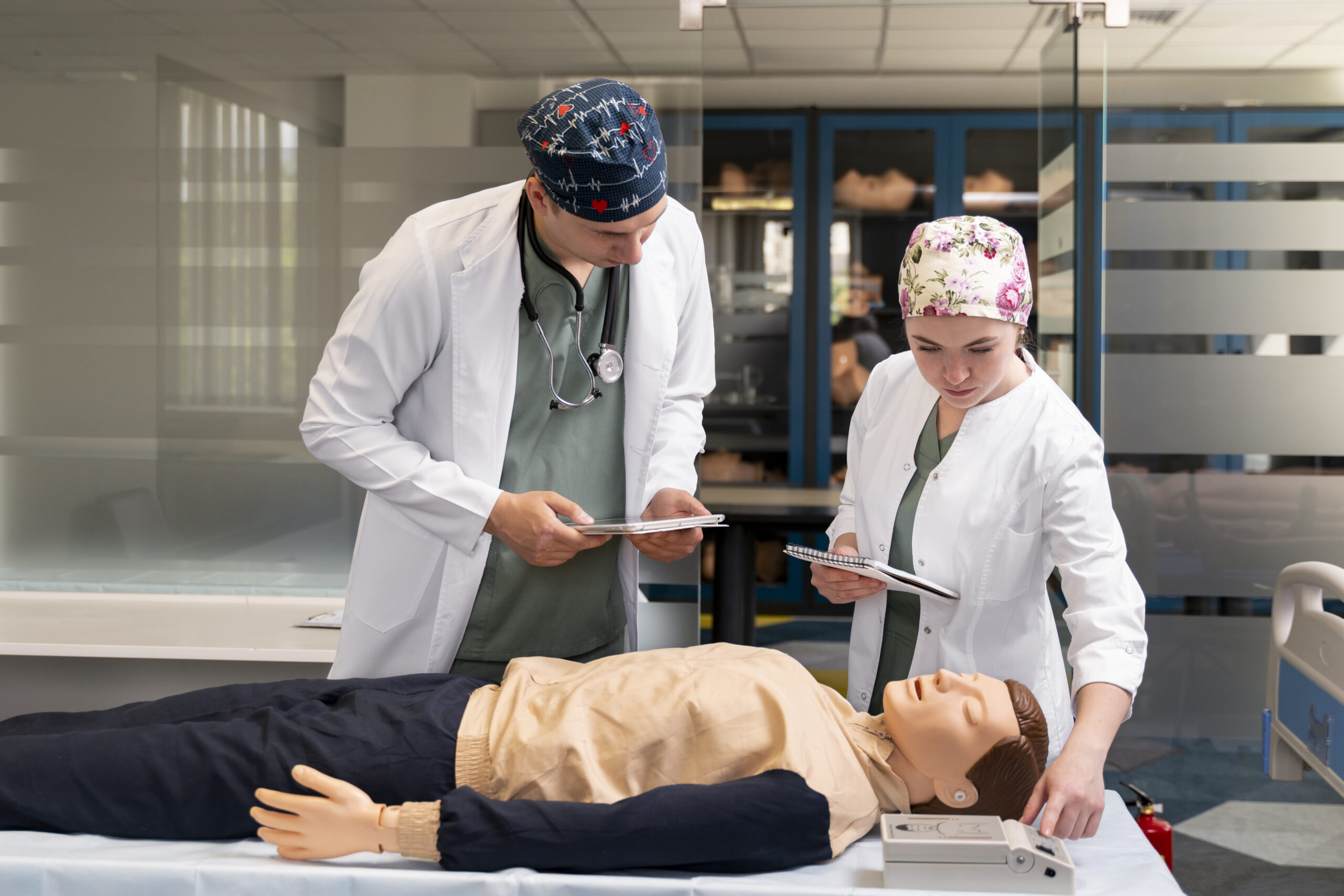
On the other hand, healthcare-level CPR courses, such as BLS, go a step further. These sessions cover two-rescuer CPR, airway management, and coordinated responses within medical teams. As a result, with more scenarios and deeper instruction, additional time is needed to ensure every skill is learned properly.
People Also Ask
Is it hard to pass the CPR exam?
Not at all! With hands-on practice and guidance from our instructors, almost everyone passes the skills check.
Do you still give breaths during CPR?
Yes, for traditional CPR, you give rescue breaths along with chest compressions. We show exactly how to do it safely and effectively.
Is CPR difficult?
CPR isn’t as hard as it seems. Our classes break it down step by step, and practicing on a manikin makes it easy to get the hang of.
Inside a CPR Certification Class: What to Expect
Many first-time students worry that CPR classes will feel overwhelming or technical. In reality, they’re very hands-on and easy to follow. At our CPR Training Clinic, the focus is on practical learning rather than long lectures.
During the session, you’ll typically:
- Watch short instructional clips or listen to brief explanations
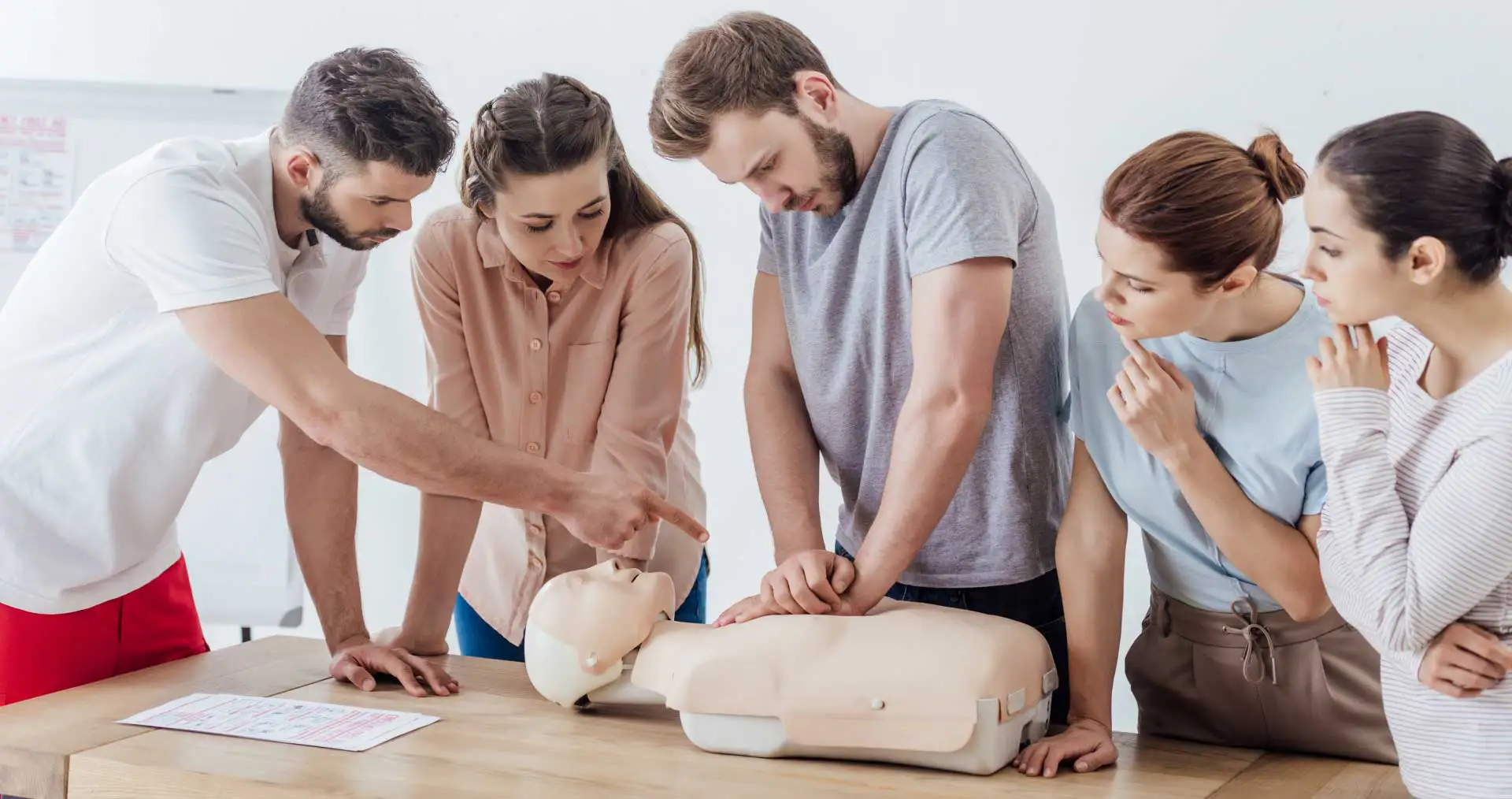
- Practise chest compressions using a CPR manikin
- Learn proper rescue breathing techniques
- Run through AED practice drills
- Discuss real-life emergency situations
- Complete a short skills evaluation at the end
Who Should Consider CPR Certification?
Even if you’re not a medical professional, knowing CPR can make a life-saving difference in everyday situations. Certain groups of people, in particular, can benefit greatly from getting certified:
- Parents and caregivers who want to feel prepared at home, especially around children or older family members. Even basic CPR knowledge can make a big difference while waiting for emergency services.
- Teachers, coaches, and childcare providers are responsible for groups of people every day. CPR training gives them confidence to act quickly in high-pressure situations.
- Fitness trainers, gym staff, and lifeguards who work in active environments where cardiac emergencies are more likely. Being certified allows them to respond without hesitation.
- Office employees and managers who want to improve workplace safety. Many companies encourage team members to stay certified in case of an emergency.
- Healthcare students or aspiring medical professionals who need CPR certification as part of their career path.
Conclusion
Life can throw unexpected moments at any time, and having the confidence to step in can make all the difference. At our CPR Training Clinic, our CPR certification course in Chicago focuses on practical, hands-on learning that fits into busy schedules and helps you feel ready to respond in real emergencies.
Get CPR certified now!
FAQs
What are the 3 R’s of CPR?
The 3 R’s stand for Recognize, Respond, and React—spot the emergency, start CPR, and call for help. We go through each one in our sessions.
How long should a breath take during CPR?
Each rescue breath should take about 1 second. We make sure you practice the timing so it feels natural.
What is the difference between CPR and BLS?
CPR is basic life-saving for anyone, while BLS (Basic Life Support) is more advanced, often for healthcare providers, including team-based techniques and airway management. We teach both types at our clinics.