In 2026, heart disease will remain the leading cause of death in the United States.
This means that every year, the survival of thousands of people hangs on one simple factor – someone nearby knowing exactly what to do.
But people don’t just wake up one day knowing CPR. Behind every calm nurse, quick thinking teacher, lifeguard or caregiver who steps in during an emergency, there’s an instructor who trained them.
So if you’re considering enrolling in a BLS CPR Instructor Course in Chicago this year – know that your role can directly influence survival in your community.
Here’s what you can expect.
BLS 101: The Basics Everyone Must Know
What Does BLS Mean in Healthcare?
BLS = Basic Life Support
It’s the first level of care given during:
- Cardiac arrest
- Respiratory failure
- Sudden collapse or unconsciousness
BLS includes CPR, AED use and basic airway support – basically everything needed to keep someone alive until advanced care such as ACLS or hospital treatment, arrives.
FYI〜 Early intervention after cardiac arrest significantly increases chances of survival. Research shows that people who receive bystander CPR within the first minutes of collapse have much higher chances of being discharged alive and with better brain function than those who don’t – highlighting the importance of BLS skills.
A BLS CPR Instructor Course prepares you for exactly that role.
The Role of a BLS Instructor
BLS instructors are experts in CPR and AED use and trained to teach these skills confidently and effectively. They are:
- Certified experts in BLS techniques
- Skilled educators who demonstrate and explain clearly
- Responsible for evaluating students
- Organized enough to manage paperwork and issue certifications
- Updated with the latest guidelines
In short, they turn knowledge into action – and a BLS CPR Instructor Course in Chicago prepares you to do exactly that.
Want to learn more about what a BLS instructor does day to day? Check out this blog:
What’s New in 2026?
The great thing about BLS courses is that they keep evolving. In 2026, courses reflect the latest science, teaching methods and tools to make training more effective and practical.
The official 2025 American Heart Association Guidelines for CPR and ECC were released in October 2025 and updated course materials are now being used in courses throughout 2026. Instructors are required to finish refresher training and begin teaching with the new materials by March 1, ensuring what you learn matches the latest standards.
Here’s what’s different:
-
Updated CPR and Emergency Response Guidelines
The 2025 American Heart Association guidelines – which will be in full use through 2026 – include refinements based on new evidence about compressions, ventilations, high‑quality CPR and emergency response strategies. These changes aren’t huge but they’re backed by the latest studies and aim to improve patient outcomes.
-
Stronger Focus on Hands‑on Practice
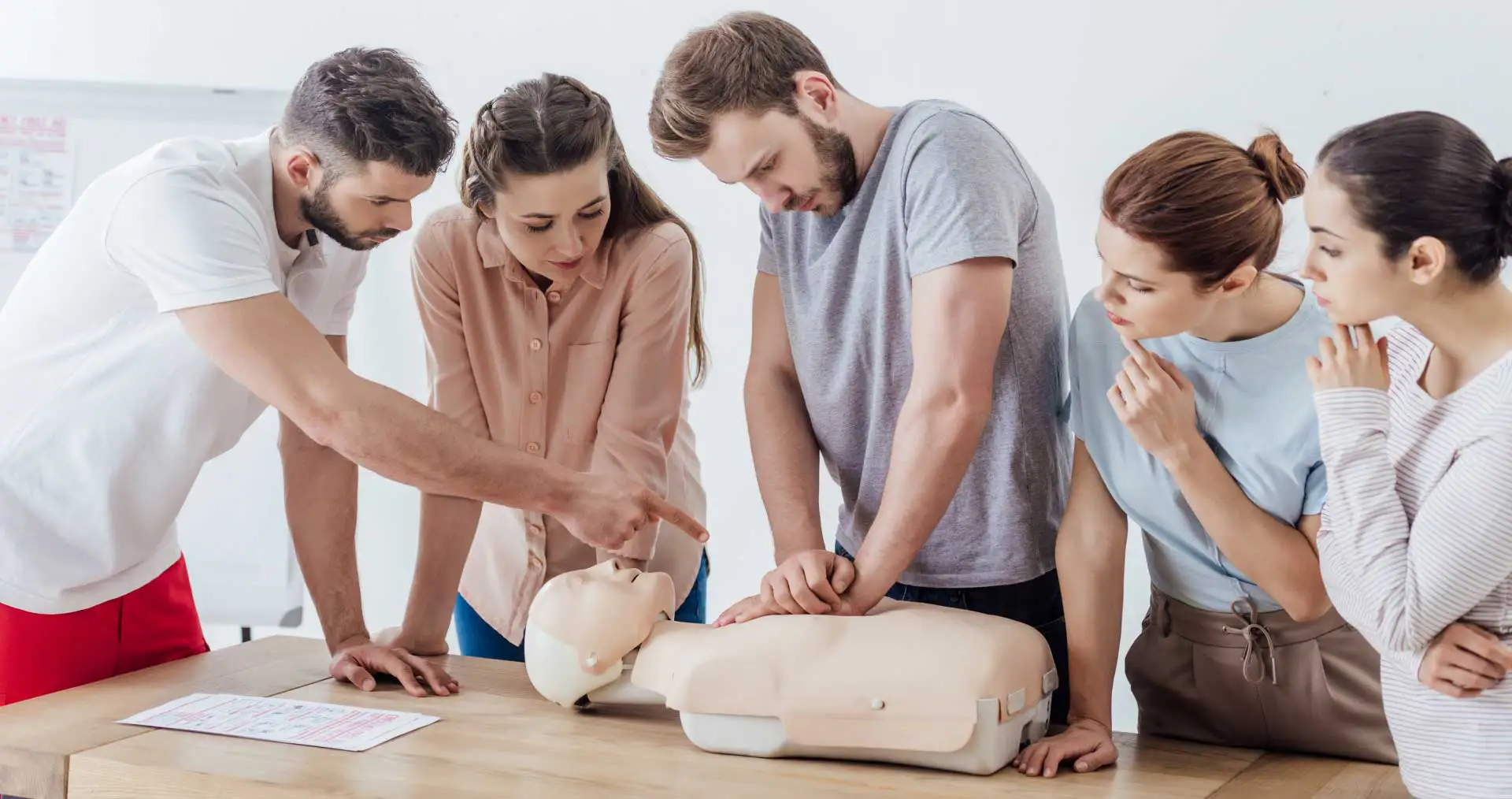
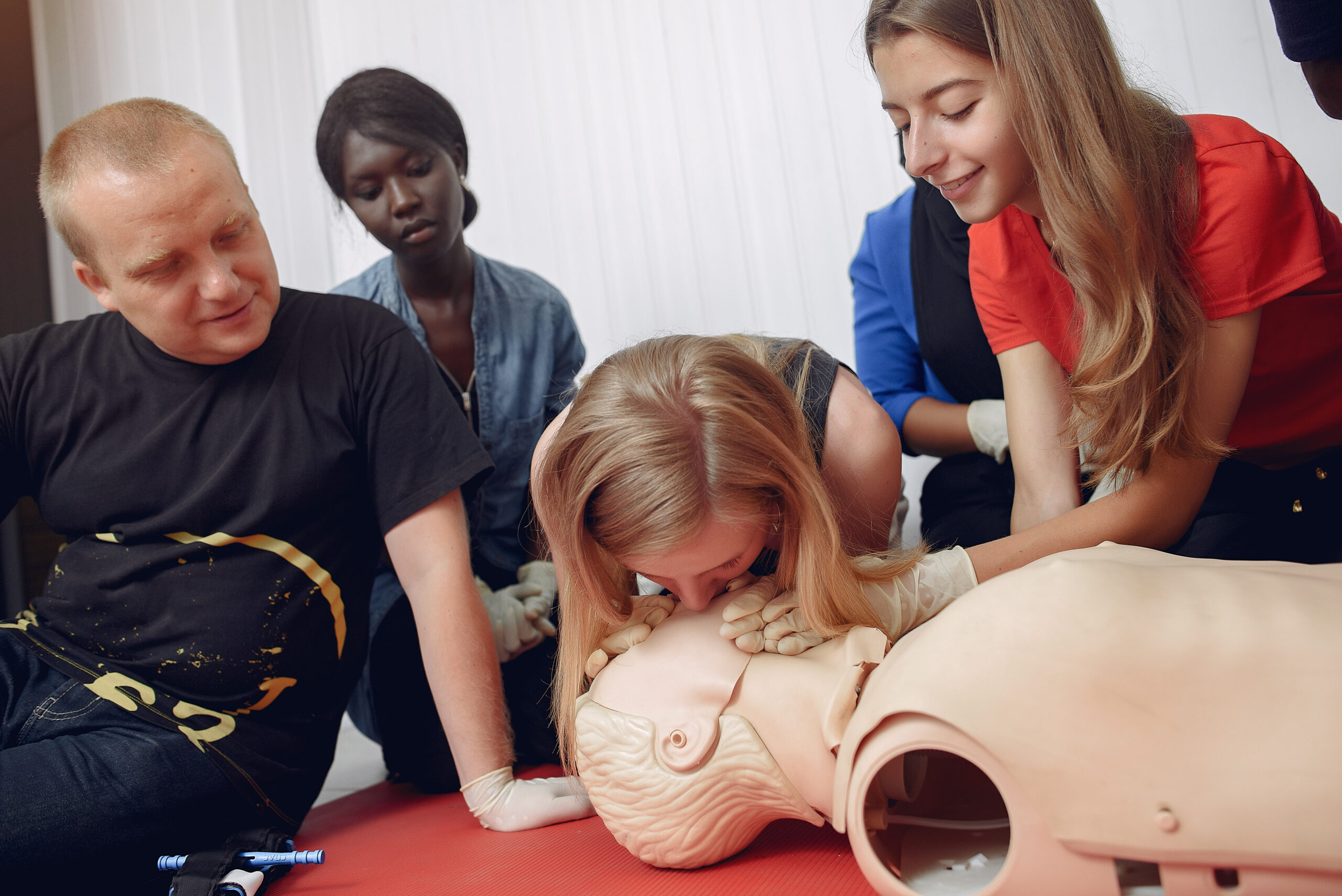
2026 courses are more focused on action rather than just listening. That means you’ll spend more time practicing compressions, AED use, airway management and team coordination until they become second nature. Plus advanced mannequins with real time feedback help you spot mistakes quickly and build real confidence in your skills.
-
More Real‑life Scenario Training
Simulations in a BLS CPR Instructor Course in Chicago are becoming more realistic. Instead of just repeating steps, you’ll be placed in scenarios that mimic real emergencies – pushing you to think and act like you would in an actual crisis. This trains you to make quicker, more accurate decisions under pressure.
-
More Tech‑Driven Learning
BLS training now includes a variety of digital tools, from advanced manikins with instant feedback and interactive e-learning modules to VR/AR simulations, tablet based practice apps and video guided exercises. These let you practice CPR in realistic scenarios before working with a live instructor, helping you spot and correct mistakes faster than traditional methods.
-
Greater Emphasis on Teaching Accuracy and Confidence
Rather than placing all the focus on knowing how to do CPR, 2026 courses are also designed to help you teach it well. That means instructors are trained not just to demonstrate skills but to evaluate performance, correct errors, build confidence in their students and stick closely to the latest guidelines – to make sure everything students learn is up to date and reliable.
Who Needs BLS Instructor Certification in 2026?
Certification for BLS CPR Instructor Course in Chicago isn’t just for doctors or nurses anymore – a lot of people can benefit from it, especially if they teach lifesaving skills to others:
- Existing CPR/BLS Instructors: If you’re already an AHA instructor, you’ll need to complete your required science update by February 28, 2026 to keep teaching under the 2025 AHA Guidelines.
- Healthcare Educators and Trainers: Professionals who train nurses, doctors, paramedics, EMTs or nursing students.
- Clinical Exercise Physiologists (CEPs): With new advanced certification requirements coming into effect on April 1, 2026 – CEPs will need qualified BLS instructors to help them meet these standards.
- Corporate/Industrial Safety Trainers: Trainers responsible for staff in high risk workplaces – like construction, manufacturing or mining – to meet OSHA requirements.
- Emergency Services Personnel: Police, firefighters and first responders who train their teams internally.
- Community Health Trainers: Anyone authorized to teach CPR and AED skills to the public, whether in schools, daycare centers or gyms.
Requirements for Becoming a BLS Instructor in 2026
Before you can start teaching BLS, there are a few key requirements you need to meet. Here’s what you’ll need to get certified in 2026:
What You Need |
Details |
| Valid Provider Card | You need a current BLS Provider card to show that you already have up to date skills before teaching others. |
| Age Requirement | You need to be at least 18 years old. |
| BLS Instructor Essentials Course | Complete the required online course that prepares you to teach AHA accredited BLS courses. |
| Monitoring | Successfully complete an in person training session and be observed while teaching your first course. |
Is It Worth It in 2026?
With updated training methods, advanced technology and growing demand in 2026 – this is a great time to enroll in a BLS CPR Instructor Course in Chicago. Whether you’re a healthcare professional, workplace trainer or community educator, becoming certified means you can help more people respond effectively in emergencies and make a powerful difference in their lives.
If you’re in Chicago looking for an experienced training institute, look no further than CPR Training Clinic. As an AHA approved center, we give you the tools and hands on practice you need to confidently teach lifesaving skills.
Reserve your seat NOW!
FAQs
-
What is the difference between a BLS instructor and a CPR instructor?
A BLS instructor teaches everything covered in CPR classes, plus additional lifesaving skills – like managing cardiac arrest, respiratory distress and blocked airways.
-
What are the benefits of being a BLS instructor?
1) Having flexible working hours
2) Earning extra income alongside your main job
3) Making a meaningful impact in your community
4) Building professional skills – like leadership, communication and public speaking
5) Networking with other instructors and healthcare professionals
-
How long does it take to complete a BLS CPR Instructor Course?
A BLS CPR Instructor course usually takes 8 to 12 hours in total. You start with the online Instructor Essentials course then attend an 8 hour in person class and finally teach a monitored class within six months.
-
Can I teach BLS courses immediately after certification?
Yes! Once you get your BLS Instructor certification, you can start teaching BLS courses right away – as long as you’re connected with a training center like the AHA or Red Cross and have your instructor eCard.
-
How often do I need to renew my BLS instructor certification?
BLS instructor certification is valid for two years. Before it expires you’ll need to complete a refresher or update course to stay current with the latest AHA guidelines.